
Build the Reserve Before You Need It: Why Your Business Needs a Cash Safety Net
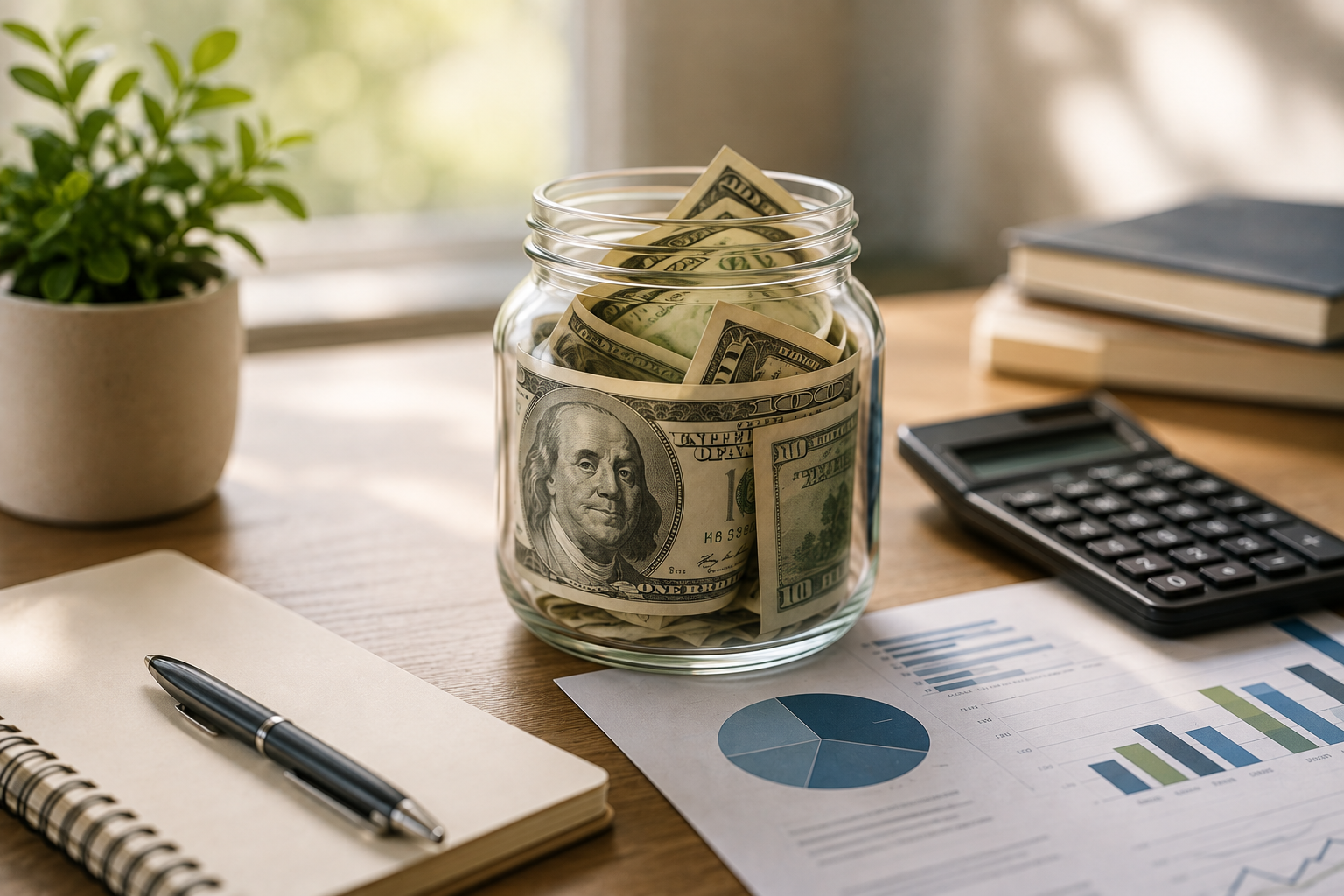
Build the Reserve Before You Need It: Why Your Business Needs a Cash Safety Net
When business is good, building a cash reserve may not feel urgent.
Revenue is coming in. Bills are being paid. Payroll is covered. There may even be enough left over to invest back into the business or take additional owner distributions.
But the best time to build a financial safety net isn't when you need one.
It's before you do.
A healthy cash reserve gives your business room to respond when something unexpected happens without immediately turning to debt, delaying important expenses, or making decisions out of financial pressure.
What Is a Business Cash Reserve?
A cash reserve is money intentionally set aside to help your business manage expenses when normal cash flow isn't enough.
Think of it as your business's financial cushion.
You might need to rely on it because of:
- An unexpected slowdown in revenue
- A major customer paying later than anticipated
- Seasonal fluctuations
- An equipment failure or emergency repair
- An unexpected tax obligation
- A temporary increase in operating expenses
- The loss of a major customer or contract
- An economic downturn
- An unexpected opportunity that requires readily available cash
You can't predict every expense or challenge your business will face. But you can prepare financially for the possibility that something won't go according to plan.
Stop Saving "Whatever Is Left"
One of the biggest challenges with building a reserve is how businesses approach saving.
The plan often looks something like this:
Pay the bills. Cover payroll. Make necessary purchases. Invest in the business. Then save whatever is left.
The problem?
There may not be much left.
When building a reserve depends entirely on leftover cash, it's easy for months—or even years—to pass without creating a meaningful financial cushion.
Instead, consider treating contributions to your cash reserve like any other planned business expense.
If you know you want to contribute a certain amount each month, build it into your cash flow plan from the beginning.
Rather than asking:
"How much do we have left to save this month?"
Ask:
"How much are we planning to put into our reserve this month?"
That small shift turns saving from an afterthought into a financial strategy.
How Much Should Your Business Keep in Reserve?
There's no single cash reserve number that's right for every business.
You've probably heard recommendations based on having a certain number of months of operating expenses available. While those guidelines can provide a starting point, your ideal reserve should reflect how your business actually operates.
Consider factors such as:
Monthly operating expenses.
How much does it take to keep the business running each month?
Revenue consistency.
Is your revenue relatively predictable, or does it fluctuate significantly?
Seasonality.
Are there certain months when revenue is consistently higher or lower?
Customer concentration.
Would losing one large customer have a significant impact on your cash flow?
Accounts receivable.
How long does it typically take customers to pay you?
Debt obligations.
What payments must continue regardless of how much revenue comes in?
Payroll commitments.
How much cash do you need to continue taking care of your team?
Industry risk.
How vulnerable is your business to economic changes, supply disruptions, weather, regulation, or other outside factors?
The goal isn't necessarily to accumulate the largest reserve possible. Holding too much cash without a purpose can also prevent money from being used strategically elsewhere.
The goal is to determine a reserve amount that gives your business appropriate protection while still allowing you to invest in growth.
Build Your Reserve While Business Is Strong
It's much easier to set money aside when cash flow is healthy than when you're already dealing with a slowdown.
That's why profitable or high-revenue periods can be an opportunity to strengthen your financial position—not just increase spending.
When the business performs better than expected, consider whether a portion of that additional cash should go toward your reserve.
Over time, consistent contributions can create a meaningful safety net without requiring one large transfer of cash.
A Cash Reserve Gives You More Than Emergency Money
A reserve isn't valuable only when something goes wrong.
It can also give you something every business owner needs:
Options.
When you have adequate cash available, you may have more flexibility to make thoughtful decisions instead of reacting to immediate financial pressure.
You can weather a slow month without panicking. You can handle an unexpected repair without automatically reaching for a credit card. You can give a late-paying customer a little more time without jeopardizing payroll.
And sometimes, having available cash allows you to take advantage of an opportunity when it appears.
Ultimately, a strong reserve can give you more control over how you respond to both challenges and opportunities.
Don't Wait Until You Need It
The hardest time to build a cash reserve is when your business is already experiencing financial pressure.
Start while things are going well.
Determine what an appropriate reserve looks like for your business, establish a target, and create a realistic plan for funding it consistently.
At LaDell CFO Services, we can help you evaluate your operating expenses, cash flow patterns, risks, and future needs to determine a reserve goal that makes sense for your business.
Not sure how much your business should have in reserve? Let's calculate it together and create a plan to get there.